



After working on over 300 Shopify stores, I've seen the same mistakes show up again and again — in stores big and small, across every niche. The good news? Every single one is fixable. The bad news? They're silently costing you sales every day you let them sit.
Here are the 5 most common Shopify conversion killers and exactly what to do about each one.
1. Your Store Loads Too Slowly
Page speed is the single biggest conversion factor most store owners ignore. Research shows that a 1-second delay in load time reduces conversions by up to 7%. On mobile, where most of your traffic comes from, slow stores feel broken and untrustworthy.
The usual culprits: uncompressed images, too many apps running, heavy theme code, and unoptimized fonts.
Quick fix: Run your store through Google PageSpeed Insights. Compress every product image to under 200KB using TinyPNG or Squoosh. Remove any Shopify apps you installed and forgot about — each one adds load time even if you're not using it.
2. Your Product Pages Don't Build Trust
Visitors land on your product page as strangers. Before they buy, they need to trust you. Most Shopify stores fail to provide the social proof, guarantees, and reassurances that tip a visitor from "maybe" to "yes."
What's missing on most product pages:
- Real customer reviews (not just a star rating — actual written reviews)
- A clear return and refund policy linked near the Add to Cart button
- A money-back guarantee badge
- Real product photos showing the item in use, not just on a white background
- A size guide or measurement chart if relevant
Quick fix: Add a "Why Buy From Us?" section to your product pages with 3–4 trust icons (e.g., Free Returns, Secure Checkout, 24h Support). Use the Judge.me or Loox app to collect and display photo reviews from real customers.
3. Your Checkout Has Too Many Steps and Friction Points
The average e-commerce cart abandonment rate is 70%. For Shopify stores specifically, the biggest drop-off happens at checkout — often because of unexpected shipping costs, too many required fields, or forced account creation.
Common friction points: hiding shipping costs until checkout, asking for a phone number that isn't needed, requiring account creation before purchase, and no express checkout options like Shop Pay or PayPal.
Quick fix: Enable Shop Pay, Apple Pay, and Google Pay in your Shopify Payments settings. Show estimated shipping costs on product pages. Remove the "Create an account" prompt — offer it as an option after purchase instead.
4. You Have No Email Capture Strategy
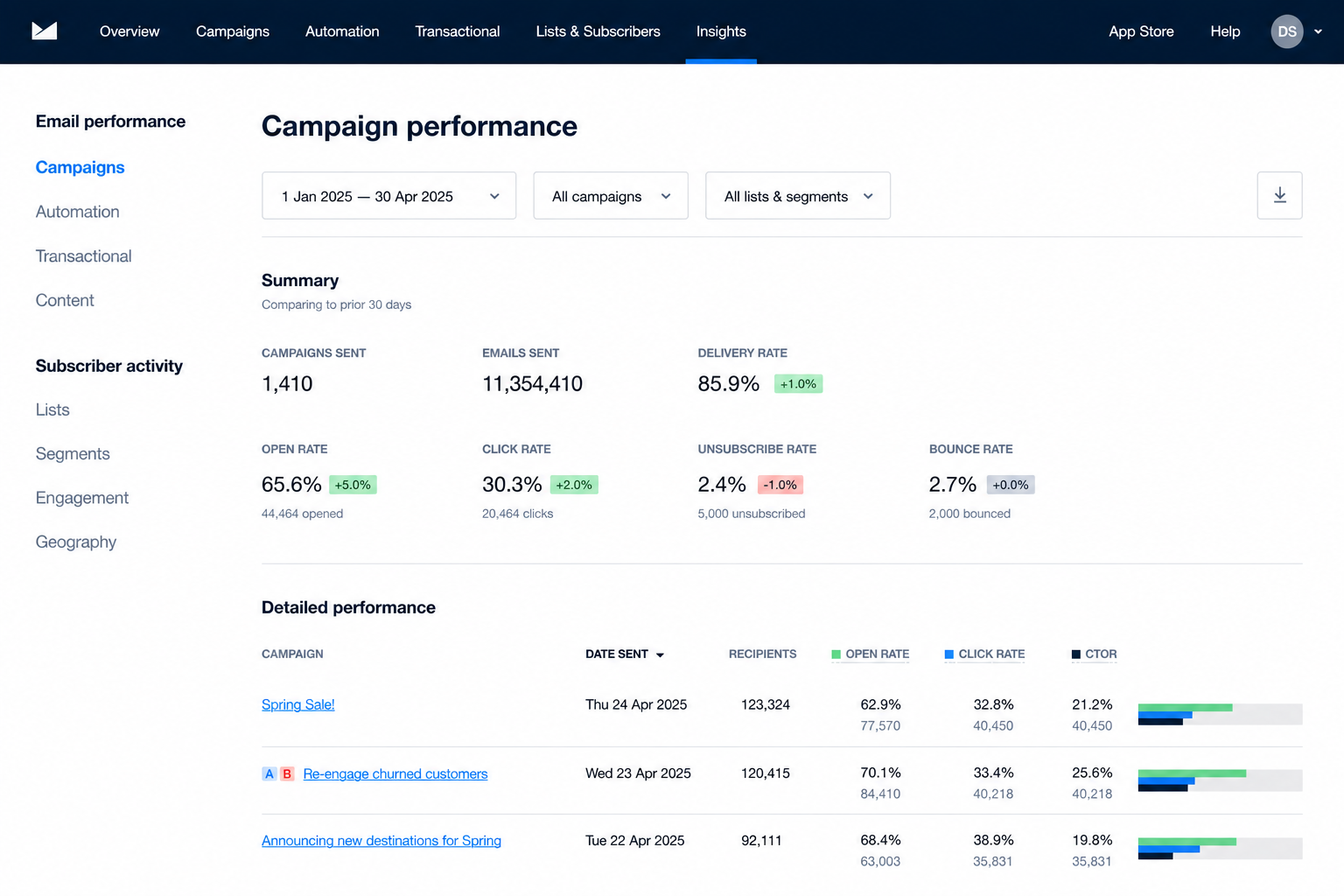
Most Shopify stores send traffic to their store, and when visitors leave without buying, that's the end of the relationship. No email, no retargeting, no second chance. This is one of the most expensive mistakes a store owner can make.
Your email list is the only marketing channel you truly own. Social media algorithms change. Ad costs rise. But your email list stays with you.
Quick fix: Install a pop-up offering 10–15% off in exchange for an email address. Set up a Klaviyo welcome flow that delivers the discount code immediately, followed by 2–3 educational emails about your brand. This single automation often generates 5–10% of total store revenue.
5. Your Navigation Is Confusing Visitors
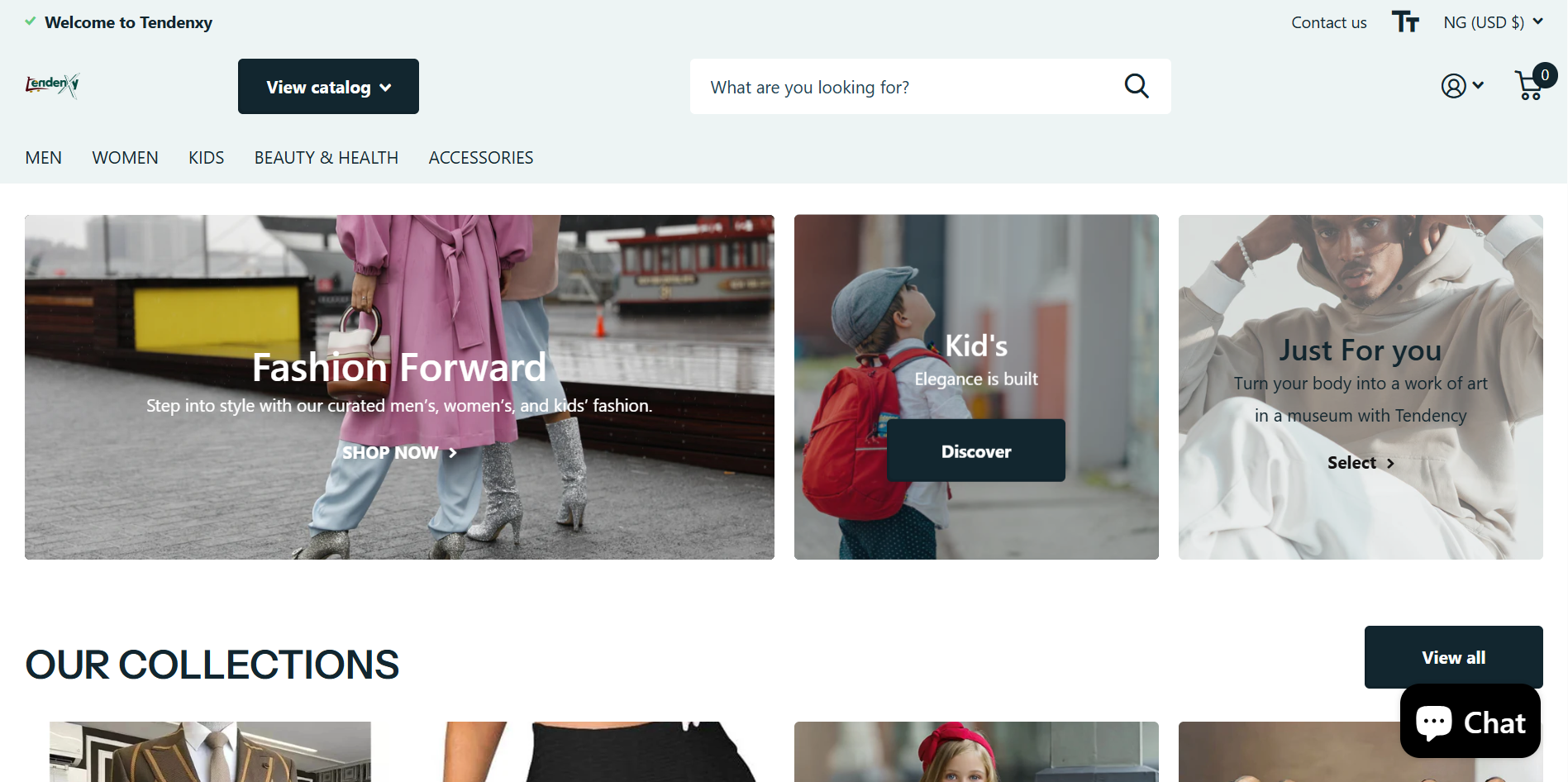
If a visitor can't find what they're looking for within 3 seconds, they leave. Poor navigation is one of the most overlooked conversion killers on Shopify — especially on mobile, where menus that work fine on desktop become impossible to use.
Signs your navigation is hurting you: too many top-level menu items, no search bar in a prominent position, collection pages with no filtering options, and category names that make sense to you but not to your customers.
Quick fix: Limit your main navigation to 5–6 items maximum. Add a search bar that's always visible on mobile. Add filters to collection pages (by price, color, size). Use clear, customer-facing language — "Skincare" not "Category 1."
Want a professional Shopify audit?
I'll review your store and give you a specific action plan to fix conversion issues — based on 300+ store audits.